How a Bar With Private Room Balances Fun and Privacy
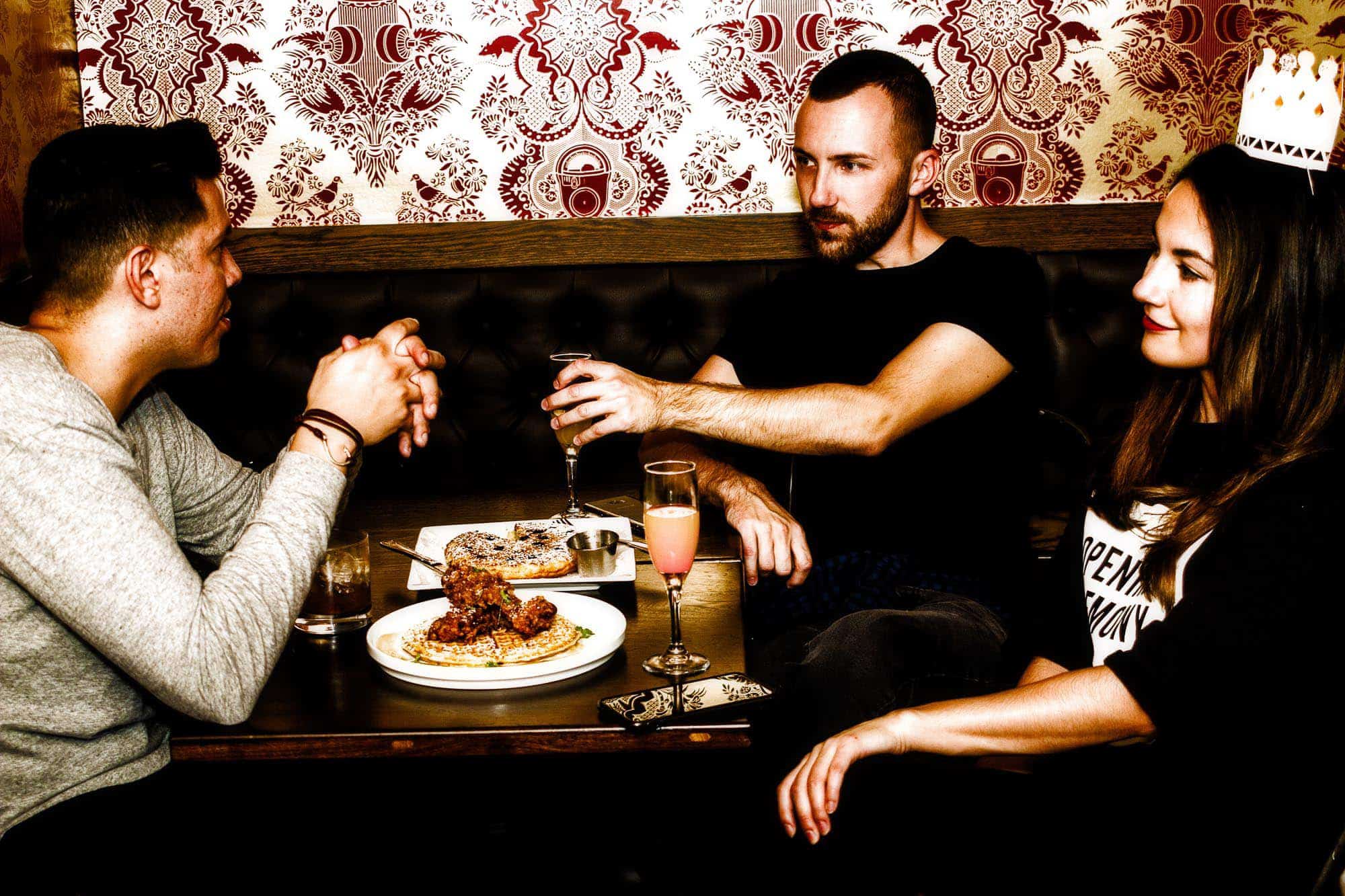
A good night out depends on chemistry. People want energy, movement, noise, a little unpredictability. They also want to hear each other speak, celebrate without strangers leaning into the moment, and hold meetings or milestone dinners without the whole room watching. That tension is exactly why the idea of a Bar With Private Room has become so appealing. It offers the charge of a public venue with the control of a closed space.
Done well, that balance feels effortless. Guests move from lively entrance to quieter conversation without thinking much about acoustics, sightlines, staffing plans, or room turnover schedules. Done poorly, the private room feels like an afterthought, either too isolated to enjoy the atmosphere or too exposed to deliver real discretion. In practice, getting it right takes more than hanging a door and calling it exclusive.
Operators who understand this space treat privacy as part design challenge, part hospitality discipline, and part business strategy. The room has to protect the guest experience without draining the life from the venue around it. That is harder than it sounds.
Why private space inside a social venue works so well
Most people do not actually want total separation. If they did, they would rent a hall, book a boardroom, or host at home. What they want is selective privacy. They want the freedom to relax, make a toast, have a confidential conversation, or gather a mixed-age group without competing with the full volume and visibility of the main bar.
That is why the best private rooms are not sterile. They still feel connected to the venue’s personality. You might hear a softened version of the music, catch the rhythm of service, or step out and rejoin the main bar after dessert. The room becomes a controlled extension of the social experience, not a sealed box.
This setup suits a surprising range of occasions. Corporate teams use it for client dinners that need a little discretion. Families book it for birthdays where grandparents need a seat and younger guests still want cocktails and nightlife. Wedding groups often use it for rehearsal gatherings because it creates a home base without requiring a full buyout. Even small friend groups appreciate it when they want to celebrate freely without broadcasting the details to an entire room of strangers.
From an operator’s point of view, private rooms also solve a revenue puzzle. A standard bar floor depends on walk-in volume, timing, and weather. A private room introduces advance bookings, minimum spends, and more predictable staffing. It lets the business serve both spontaneous trade and planned events in the same footprint. That matters, especially on shoulder nights when a guaranteed group booking can stabilize the evening.
Privacy is not silence, and fun is not chaos
A common mistake is treating privacy and fun as opposites. They are not. Privacy is about control. Fun is about comfort, energy, and flow. Guests enjoy themselves more when they know their experience is being protected.
Think about a team celebration after a difficult quarter. The group wants drinks, jokes, and room to loosen up. They may also need a few minutes for speeches, awards, or conversations that would be awkward at a communal high-top table. The private room does not reduce the fun. It removes the friction that would have interrupted it.
The same is true for more personal events. I have seen birthday groups choose private rooms not because they were seeking luxury, but because they had one guest who was hard of hearing, another bringing older parents, and a few friends who planned to stay late. A public table would have split the night into competing needs. A room gave them options. Early in the evening, it was a calm place to eat and talk. Later, the door stayed open, guests drifted out to the bar, and the celebration grew louder on their own terms.
That is the real advantage. A Bar With Private Room can support multiple moods in a single event, which is difficult on the open floor.
The room itself does more than most guests realize
Guests notice atmosphere. Operators notice mechanics. The room’s success usually rests on details that seem invisible when they work properly.
Acoustics come first. True privacy is not just visual. If every laugh and conversation leaks into the main bar, or if bass from the DJ rattles the walls, the room fails both functions. Soft materials, insulated partitions, heavy doors, and thoughtful speaker placement do more for the experience than expensive decor ever will. A room can look stunning online and still be useless if nobody can hear the person sitting across from them.
Sightlines matter almost as much. Guests usually want some separation from the crowd, but not the feeling of being hidden behind a service corridor. Frosted glass, partial partitions, or doors that can remain open during casual phases of the event often work better than total visual shutdown. People like knowing they have a place apart while still feeling part of the venue.
Layout shapes behavior. Long banquet seating suits family style meals and formal dinners, but can make casual mingling awkward. Mixed furniture, such as a central table paired with perimeter lounge seating, gives a room more range. If the space must serve both meetings and celebrations, movable tables are worth the operational trouble. Fixed layouts save labor, but flexible rooms book more often.
Lighting deserves special attention. Many private rooms fail because the lighting tries to satisfy every use case and lands nowhere. Bright enough for presentations can feel cold for a birthday dinner. Moody enough for cocktails can make menu reading a chore. The practical answer is layered lighting with zones that can be adjusted as the event changes. Early dinner, speech time, and late evening socializing should not all look the same.
Service is where the promise of privacy is either kept or broken
Design gets people interested. Service determines whether they book again.
When guests reserve a private room, they are not just paying for four walls. They are paying for ease. They expect smoother pacing, cleaner communication, and fewer interruptions than they would tolerate in the main bar. If they still have to chase down a bartender, repeat drink orders, or flag random staff members passing by, the private room starts to feel like poor value.
The strongest operations usually assign one clear point of contact. This does not always mean a dedicated server standing in the room all night. In smaller venues, it may be a lead server or floor manager who handles the group personally and coordinates the rest behind the scenes. What matters is that guests know who is steering the experience.
Pacing also needs judgment. Groups in private rooms do not all move together. One table might want rounds every fifteen minutes. Another wants a quiet first hour, a short speech, then a quick shift into cocktails and shared plates. Good staff read that rhythm instead of forcing the standard cadence from the main floor.
There is also a subtle issue around interruption. Guests booking private space want access to service, but they do not want constant intrusion. Walking in too often kills momentum. Never checking in creates frustration. Experienced teams use natural moments, course drops, empty glass patterns, music breaks, or body language at the table, to gauge when to step in. That kind of timing cannot be faked through a script.
The sound of the main bar still matters
A private room never exists in isolation. Its success depends partly on what is happening on the other side of the wall.
If the venue is dead, the room can feel strangely flat. Guests may have privacy, but none of the atmosphere they expected from booking a bar. If the venue is too loud, the room can feel like a bunker under siege. The sweet spot is a vibrant but controlled main floor where guests can sense activity without being swallowed by it.
This is where programming matters. Trivia nights, live music, DJ sets, sports broadcasts, and promotional events all affect private room bookings. Some private groups want to be adjacent to that energy. Others absolutely do not. Strong operators learn to sell the room honestly based on the night. A corporate dinner during a heavy game-day crowd may be a poor fit. A birthday on the same night might be ideal.
One manager I know puts it bluntly: the room is not private if the rest of the venue is unmanaged. That sounds simple, but many places forget it. Privacy is contextual. A semi-private space may feel more than sufficient on a calm Thursday and completely exposed on a packed Saturday.
Different guests mean different definitions of privacy
Not every booking wants the same thing, even when they use the same words.
A finance team discussing a potential deal may care about sound containment and discreet service. A birthday group usually cares more about control over the guest list, enough room to mingle, and not being squeezed between unrelated parties. A family gathering may prioritize stroller access, seating comfort, and lower noise. A creative agency event may want visual separation but prefer the room to stay open to the bar for flow and atmosphere.
That is why rigid event packages often miss the mark. They simplify sales, but can flatten the guest experience. The better approach is to clarify what privacy means for that specific group. Is it about confidentiality, comfort, exclusivity, flexibility, or simply not fighting for space? Once the venue understands that, the rest becomes easier to shape.
This is also where disappointment usually begins. If a guest imagines full seclusion and arrives to find a curtained alcove near the restrooms, the issue is not just physical design. It is misaligned expectation. Good sales conversations prevent that. Photos help, but honest language helps more.
The business case is stronger than many owners expect
A private room is often discussed as an amenity, but in many venues it functions as a serious profit center.
The economics are compelling when the room is properly marketed and scheduled. A modest room might seat twelve to twenty guests and carry a minimum spend that outperforms the same square footage on the open floor. The spend is usually more predictable, cancellations can be managed through deposits, and preselected menus reduce kitchen strain during busy windows.
There are operational advantages too. Group orders can be planned. Inventory for premium spirits, sparkling wine, or shared food formats can be forecast more accurately. Staff can be assigned with greater confidence. In a business where uncertainty usually eats margin, that kind of predictability matters.
Still, there are trade-offs. A room that sits empty is expensive dead space. A room that is too attractive for small parties can cannibalize regular covers. A room with poor turnover timing can create bottlenecks in both kitchen and service. The answer is not simply to have private space. The answer is to run it with discipline.
The most effective venues tend to watch a handful of variables closely:
- Booking lead time and cancellation patterns
- Average spend by event type
- Labor hours required per room booking
- Crossover behavior, meaning how many guests continue spending in the main bar
- Frequency of repeat corporate or social clients
That data tells a more useful story than raw booking count. A full room every Friday may look successful, but if it requires excessive staffing or blocks higher-value uses, the picture changes quickly.
Privacy can feel premium without becoming stiff
There is a persistent fear among bar owners that private rooms make a venue feel formal, even uptight. That only happens when the room abandons the bar’s identity.
If the main space is warm, social, and a little playful, the private room should carry the same DNA. Materials, music, menu language, and service style need continuity. Otherwise guests feel like they have walked from a neighborhood bar into a budget hotel meeting suite. That disconnect is jarring.
The best private rooms preserve the looseness of a night out while removing its rough edges. Drinks arrive quickly. Coats have somewhere to go. The room can handle dietary needs without fuss. A playlist does not clash with the venue’s sound. Guests can be loud without apologizing, or quiet without being rushed. It feels elevated because the friction has been designed out, not because everything has become formal.
That distinction matters. Premium hospitality is often less about luxury signals and more about control, timing, and comfort. People remember how easy the night felt.
Where things often go wrong
Many private rooms underperform for predictable reasons. The room may be physically attractive but operationally awkward, perhaps too far from the bar to serve efficiently or too close to the kitchen pass to feel relaxed. In other cases, pricing sends mixed messages. Minimum spends are set too low, so the venue works hard for little return, or too high, so the room sits unsold except on peak weekends.
Another common problem is menu design. The open-floor menu does not always suit a private room. Small plates that work beautifully for casual bar guests can be frustrating for a seated party of sixteen. By the same token, forcing every private group into a heavy prix fixe menu can kill the spirit of a social drinks event. The menu should reflect the format, not just the kitchen’s convenience.
Technology is another quiet fault line. If the room is marketed for meetings, it needs dependable Wi-Fi, power access, and straightforward presentation capability. If it is marketed for celebrations, the sound controls need to be simple and the lighting easy to adjust. Nothing destroys the mood faster than ten adults staring at a dead screen while a manager searches for the right cable.
Then there is the issue of room policy. Some venues bury practical limits in the fine print, things like hard end times, restricted playlist control, cake fees, or decoration rules. Those policies may be necessary, but surprises create resentment. A private room booking is a trust exercise. Clarity upfront protects both sides.
How operators keep the balance intact on busy nights
The hardest test for a Bar With Private Room is not a quiet midweek dinner. It is a packed night when the main bar is humming, staff are stretched, and the room still needs to feel distinct.
Experienced teams prepare for that long before service starts. They confirm event timing, pre-batch where appropriate, stage glassware, and align the kitchen on pacing. They also decide in advance how much the group will interact with the rest of the venue. Will guests order at a dedicated server station? Can they move tabs to the bar later? Is there a clean way to transition from seated service to more casual flow? Those choices prevent confusion during the rush.
There is usually one moment in the night when the balance is most fragile. It might be the arrival wave, when coats, drinks, and late guests all hit at once. It might be the speech window, when the room needs a pause even though the rest of the venue is speeding up. It might be the final hour, when some guests want the check and others want https://knoxyqdb238.evergrovio.com/posts/how-to-find-the-perfect-bar-with-private-room-for-your-event another round. Venues that handle those moments well tend to earn repeat business because they protect the group from the chaos outside the room without making the experience feel overly managed.
A few practical habits make a difference:
- Confirm the host’s priorities before guests arrive
- Set a realistic food and drink cadence, not an idealized one
- Designate who handles room decisions during peak service
- Keep one flexible area outside the room for spillover or smoking breaks
- Close the event with the same care used to open it
That last point is often overlooked. The final fifteen minutes shape memory. If payment becomes messy or guests are suddenly rushed out, the room’s earlier strengths fade quickly.
The guest experience is built on choice
The core success of a private room inside a bar comes down to selective access. Guests can dip into the buzz or shut it out. They can celebrate loudly, talk quietly, host professionally, or mix all three over the course of a single evening. That range is what makes the format so resilient.
For the operator, balancing fun and privacy is less about compromise than calibration. Too much separation, and the room loses the spirit of the venue. Too little, and it loses the reason people booked it. The right answer sits in the middle, supported by smart design, disciplined service, honest selling, and a clear understanding of what the guest actually wants.
When those pieces align, the room stops feeling like a side feature. It becomes one of the most useful spaces in the building. Guests leave feeling they had the best of both worlds, a night with atmosphere and a space that was truly their own. That is not an accident. It is a very deliberate kind of hospitality, and when done well, it is one of the strongest arguments for choosing a Bar With Private Room over almost any other venue format.
The Winslow
Address: 243 E 14th St, New York, NY 10003
Phone number: +12127777717
FAQ About Bar With Private Room
Which bars in NYC offer private rooms?
Many bars in New York City offer private and semi-private rooms for parties and events, ranging from hidden basement speakeasies to upscale lounge spaces. Top options include The Back Room on the Lower East Side, Dear Irving Gramercy, Pebble Bar in Midtown, Mister Paradise in the East Village, and The Winslow in the East Village.
What is a private room in a pub called?
A small, private seating area or partitioned booth in a traditional pub is most commonly called a snug. Larger private rooms used for events, parties, or dining are typically referred to as private dining rooms, function rooms, or back rooms.
How much does a 2 hour open bar cost?
A 2-hour open bar generally costs between $15 and $45 per person, depending heavily on the quality of alcohol you choose. For a standard group of 100 guests, this translates to an overall cost of $1,500 to $4,500 before taxes, setups, and staff gratuities.