The Best Places for Spicy Jamaican Food in Denver
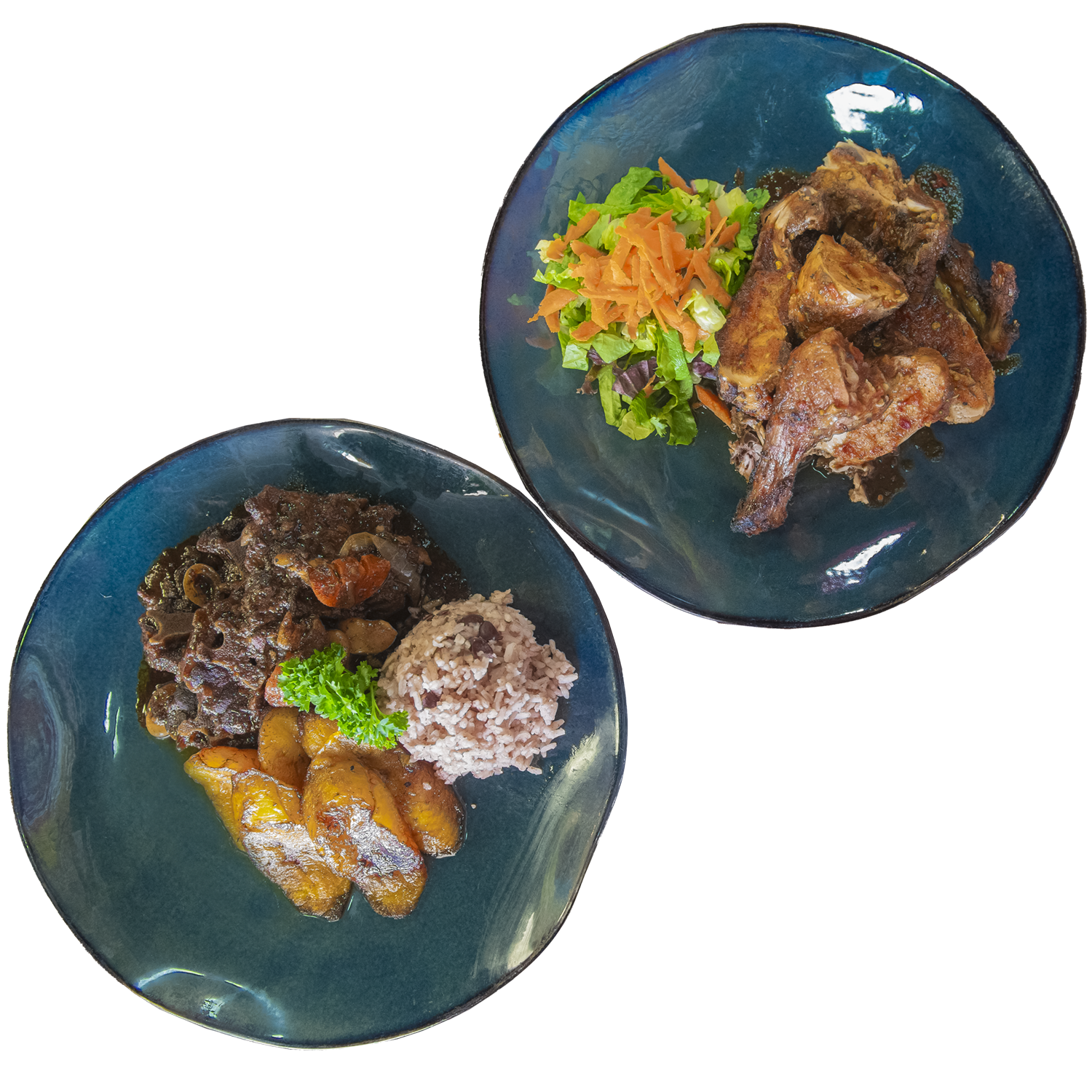
Denver does not have the same depth of Jamaican restaurants you find in Brooklyn, South Florida, or parts of Toronto. That is simply the truth of the market. If you are hunting for fiery jerk chicken, slow-braised oxtail with enough Scotch bonnet heat to wake up your whole face, or a proper beef patty that leaves a little pepper glow on the tongue, you need to search with a bit more intention here.
That said, the Jamaican food Denver diners do have access to can be very good, especially if you know where to look and what to ask for. The strongest plates tend to come from a small group of dedicated Jamaican kitchens, Caribbean restaurants with Jamaican staples on the menu, and operators who cook for a loyal regular crowd rather than chasing a broad, watered-down audience. In practical terms, that means you may need to look beyond the trendiest dining blocks and out toward the wider metro area, especially Aurora and the southern suburbs.
The upside is that when a Jamaican spot in Denver earns repeat business, it usually earns it the hard way. The food has to carry the place. You can taste that in the seasoning, the smoke, the patience in the braise, and the confidence to leave a little heat in the dish instead of sanding every edge off for general appeal.
What “spicy” should mean at a Jamaican restaurant
Before getting into specific places, it helps to define the target. Spicy Jamaican food is not just food that hurts. Good Jamaican heat sits inside flavor, not on top of it. Scotch bonnet peppers bring fruitiness as well as fire. Jerk seasoning should taste of allspice, thyme, scallion, ginger, garlic, and smoke before the chile intensity really lands. Curry goat should feel warm, deep, and persistent, not sharp and one-note. Pepper sauce should brighten and deepen the plate, not flatten it.
That distinction matters in Denver, where some kitchens tune the heat down unless you ask otherwise. Plenty of restaurants have to balance regulars who want the real thing with newcomers who equate “Caribbean” with sweet sauces and grilled chicken. If you want genuine spice, say so clearly. Ask whether the kitchen can make the jerk hot, whether they have house pepper sauce, and whether the curry has real heat or just aromatic warmth. A serious spot will know exactly what you mean.
Reggae Pot Jamaican Grill
Among the names that come up most consistently when people talk about Jamaican food in the Denver area, Reggae Pot Jamaican Grill is the one I hear recommended most often for classic, satisfying plates. It has built the kind of reputation that matters more than hype, the dependable kind. People go for jerk chicken, curry goat, oxtail, rice and peas, and they come back because the food actually tastes seasoned all the way through.
The jerk chicken is usually the best test. At a weaker restaurant, jerk lands as grilled chicken with a dark rub. At a stronger one, the seasoning penetrates, the edges char properly, and the smoke works with the spice instead of replacing it. Reggae Pot tends to satisfy that standard better than most metro-area options. The heat level can vary a little by day and batch, which is normal at an independent kitchen, but the flavor base matters just as much as the burn, and that is where this place tends to win.
The oxtail is another smart order if you care about depth more than pure fire. It is not usually the hottest dish on a Jamaican menu, and it should not be. What you want is rich gravy, tenderness without mush, and enough seasoning that the rice and peas become part of the experience instead of filler. A good oxtail plate lingers. It should feel like a long-cooked dish made by someone who respects time.
If you are ordering for maximum spice, ask for pepper sauce on the side first rather than having the whole plate pushed to its hottest possible setting. That gives you more control. Jamaican heat is satisfying when you can build it bite by bite. It is less satisfying when the heat obliterates the savory character of the meat.
Jamaican Grill and the value of straightforward cooking
Another name that frequently enters the Jamaican food Denver conversation is Jamaican Grill. Spots like this matter because not every worthwhile restaurant needs a polished dining room or a trendy point of view. Sometimes you want a sturdy plate, generous portions, and food that announces itself with aroma before it reaches the table.
What diners usually seek at a place like Jamaican Grill is exactly what Jamaican food does so well when handled honestly: brown stew chicken with glossy, savory gravy; curry dishes that carry both warmth and body; jerk meats with a little sweetness balanced against smoke and chile; and sides that hold up on their own. Rice and peas should not taste like an obligation. Cabbage should still have life in it. Plantains should be caramelized enough to offer contrast to the savory mains.
One thing Denver diners sometimes miss is how important balance is on a Jamaican plate. The spicy element is only part of the story. You want relief from the rice, sweetness from plantain, richness from gravy, and brightness from sauce or slaw if the restaurant offers it. When that balance is right, a hot plate does not feel punishing. It feels complete.
If you see escovitch fish on the menu at a Jamaican restaurant and you are in the mood for spice from a different angle, that can be a smart move. The pickled vegetables and pepper heat create a sharper, brighter style of intensity than jerk or curry. Not every spot offers it every day, and availability can be inconsistent at smaller operations, but it is one of the more satisfying orders for diners who want heat with acidity instead of just smoke.
Why Aurora often deserves as much attention as Denver proper
Anyone searching for the best Jamaican food in Denver should think in metro terms, not city-limit terms. Aurora, in particular, often rewards diners willing to drive a little farther. That is not unique to Jamaican food. It is true across many immigrant food traditions in the region. Rents, available kitchen space, and community networks push some of the most interesting cooking beyond the neighborhoods casual visitors search first.
In practical terms, that means your best spicy Jamaican meal may not come from the center of Denver at all. It may come from a modest storefront in a strip center, a family-run place with irregular social media updates, or a restaurant where the regulars know to ask what is especially good that day. Some of the best Caribbean cooking in the metro area lives in that ecosystem.
The trade-off is convenience. These are not always polished operations. Hours can shift. A dish may be sold out. Service may feel slower than at a downtown restaurant because the kitchen is doing real cooking rather than assembly. For me, that is usually an acceptable bargain. If I want jerk that tastes like smoke, thyme, allspice, and pepper instead of bottled marinade, I can tolerate a wait.
The dishes that separate a decent spot from a serious one
A lot of people judge Jamaican restaurants by jerk chicken alone. That makes sense, since jerk is the most visible item and usually the gateway order. But if you want to know whether a kitchen really has range, pay attention to the slower dishes and the side work.
Curry goat tells you a lot. The meat should be tender, but not disintegrating into sauce. The curry should taste toasted and integrated, not dusty. The spice should build gently. A restaurant that gets curry goat right usually understands restraint and patience, which are two of the most important traits in Caribbean cooking.
Brown stew chicken is another revealing order. It is not as flashy as jerk, but it exposes weak fundamentals immediately. The sauce needs body. The chicken needs proper seasoning beneath the surface. The peppers, onions, and aromatics should have cooked together enough to taste unified. If brown stew chicken feels flat, there is a good chance the rest of the menu lacks depth too.
Then there is the matter of patties. A good patty is not just a snack while you wait for the main plate. It is a structural test. The crust should be flaky, but not dry. The filling should be savory and seasoned, and if you ordered a spicy beef patty, the pepper should register without tasting harsh. In a city where Jamaican bakeries are not on every corner, a competent patty is worth noticing.
What to order if you want real heat
If your priority is spice rather than just a broad introduction to the cuisine, some dishes and add-ons give you a better chance of getting there.
- Jerk chicken, preferably with extra sauce or house pepper sauce on the side
- Curry goat, especially if the kitchen uses Scotch bonnet assertively
- Escovitch fish, when available
- Spicy beef patty as a starter or take-home item
- Any house-made pepper sauce the staff is willing to recommend
That last point matters. A restaurant’s house pepper sauce often tells you whether the kitchen is cooking for itself first and customers second, or sanding away every sharp edge for broad comfort. When the sauce has personality, the whole menu usually does too.
The challenge of consistency, and why it should not scare you off
Small, independent Jamaican restaurants often live and die by consistency, and consistency is not always easy in a market like Denver. Supply shifts. Staffing gets tight. Some meats take time and skill to prepare, and a lot depends on the person cooking that day. Diners raised on chain predictability sometimes read these variations as flaws. Sometimes they are. Sometimes they are just signs of a real kitchen.
If one day’s jerk is hotter than the last, that does not automatically mean the restaurant is slipping. https://maps.app.goo.gl/37JZ7dpqaHRz7t9A9 If the rice is slightly firmer, or the cabbage a bit more peppery, that can simply reflect a human kitchen run by people cooking in batches rather than by algorithm. What matters is whether the food still tastes cared for. Flavor, seasoning, texture, and proportion should still feel intentional.
This is one reason I tend to trust repeat local recommendations over one-off online ratings when it comes to Jamaican food in Denver. A regular who orders curry goat every other week is more useful than a visitor complaining that the plantains were too sweet or the service was not fast enough. The best places are often judged unfairly by people who wanted the food to behave like casual fast dining rather than the cuisine it actually is.
The role of sides, sauces, and drinks
Spicy Jamaican food is not just about the protein. The supporting cast changes the entire meal. Rice and peas should have aroma and enough richness to absorb gravy without turning pasty. Fried plantains should soften the corners of the heat. Cabbage, when done well, brings crunch and freshness. Festival, if offered, can add a lightly sweet counterpoint that makes jerk taste even sharper and more savory.
Sauce strategy matters too. Some diners flood the plate immediately. I think that is a mistake, especially if the kitchen has already seasoned the dish properly. Better to try the first few bites as served, then add pepper sauce where it makes sense. Oxtail gravy does not need the same treatment as jerk. Curry goat responds differently from escovitch fish. Good eating here is about calibration.
As for drinks, ginger beer earns its place. So does sorrel when you can find it. Both stand up to strong seasoning in ways that soda often does not. Ginger beer, in particular, extends the spicy profile rather than muting it. It feels like part of the same culinary conversation.
How to find the best version of a place, not just the place itself
One of the realities of eating Jamaican food in Denver is that the quality of your experience can hinge on timing. Some dishes are better at lunch, when the first batches are fresh and structured. Others shine later, after they have had another hour to settle and meld. Certain restaurants sell out of their strongest items before dinner. Weekend service may offer a fuller menu, or it may bring longer waits and more variability.
If you are serious about getting the best meal, call ahead. Ask what is available, what is selling well that day, and whether the kitchen has house pepper sauce. This is not fussy behavior. It is how people eat well at small specialty restaurants. Staff can often tell from the question whether you know what you are after, and that can lead to better guidance than you would get from simply staring at the menu board.
There is also value in ordering with a bit of range. If you are going with another person, split jerk chicken and curry goat instead of doubling up. Add a patty if they have one. That gives you a better read on the kitchen. A restaurant may be excellent at braises and merely decent at grilled meats, or the reverse. One meal should tell you where to return next time.
The broader state of Jamaican food in Denver
Denver’s Jamaican scene is still smaller than it ought to be, but it has enough depth to reward curiosity. That matters. A city does not need dozens of options to have meaningful ones. It needs a few kitchens that cook with conviction, a few loyal customer bases that know the food, and enough demand that operators can keep making the dishes the right way instead of simplifying them into generic “island” fare.
That is why even a short list of strong contenders matters so much. Reggae Pot Jamaican Grill has earned its place in the conversation because it delivers the fundamentals people actually come back for. Jamaican Grill and similar metro-area spots matter because they keep the cuisine visible and accessible. The wider Denver and Aurora area matters because that is often where serious cooking survives, away from the pressure to turn every cultural food tradition into a sanitized trend object.
If you are craving spicy Jamaican food, the search here is less about finding the single perfect restaurant and more about recognizing the restaurants that respect the cuisine. Look for deep seasoning, proper heat, balanced plates, and staff who understand the difference between “spicy” and “flavorless but hot.” Ask questions. Be willing to drive. Order the curry as well as the jerk. Take the pepper sauce seriously.
Do that, and the Jamaican food Denver has to offer starts to look a lot more interesting than a quick scan of the map might suggest.
Reggae Pot Jamaican Grill
Address: 2243 S Monaco St Pkwy #104, Denver, CO 80222
Phone number: +17204102956
FAQ About Jamaican Food Denver
What is typical Jamaican food?
Typical Jamaican food features bold, vibrant flavors created by blending African, Taino, European, and Asian influences.
What is a famous Jamaican dish?
Ackee and saltfish is Jamaica's national dish, made by sautéing the soft local ackee fruit with salted cod, onions, tomatoes, and spicy Scotch bonnet peppers.
What food is most popular in Jamaica?
The most popular and famous food in Jamaica is Jerk Chicken, celebrated worldwide for its smoky, spicy flavor.